EnclosedMulti-color ready

Creality
Creality K1C
CoreXY · Enclosed · CFS ready
220 x 220 x 250 mm build volume
$368.99$439.00
Verified
Last reviewed
Up to $1,000 buys an enclosed CoreXY printer with a hardened or hardened-tipped nozzle, often bundled with a multi-material unit or built around a 300mm class bed, and sometimes with an actively heated chamber. That spend is justified for ABS, ASA, nylon and carbon-fiber filaments, large parts or regular color work, not for occasional PLA printing.
28 printers match this page's criteria with a price verified in the last 24 hours.
The step from a $500 printer to a $1,000 one buys capability rather than better PLA prints. A well-tuned open machine already prints PLA cleanly. The higher budget makes sense if at least one of these describes you:
If none of those apply, the under $500 page covers machines that print PLA and PETG just as well.
In-stock printers with a verified price under $1,000 right now, most fully documented first.
Creality
CoreXY · Enclosed · CFS ready
220 x 220 x 250 mm build volume
$368.99$439.00
Verified

Flashforge
CoreXY · Enclosed
220 x 220 x 220 mm build volume
$379.00
Verified

Creality
CoreXY · Enclosed · CFS ready
300 x 300 x 300 mm build volume
$549.00
Verified

Anycubic
CoreXY · Enclosed · ACE Pro ready
250 x 250 x 250 mm build volume
$549.99$649.99
Verified

QIDI
CoreXY · Enclosed
305 x 305 x 280 mm build volume
$699.00
Verified

Flashforge
CoreXY · Open frame
220 x 220 x 220 mm build volume
$249.00$309.00
Verified
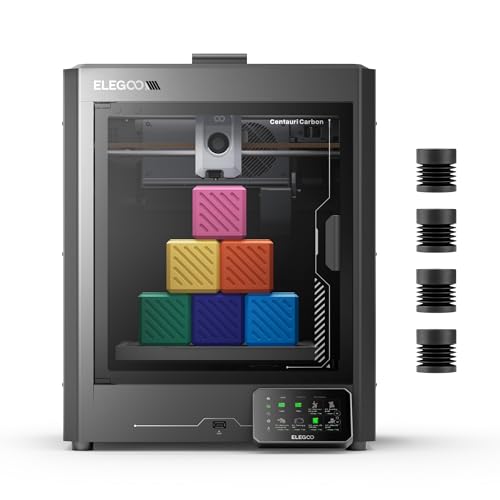
ELEGOO
CoreXY · Enclosed
256 x 256 x 256 mm build volume
$289.99
Verified
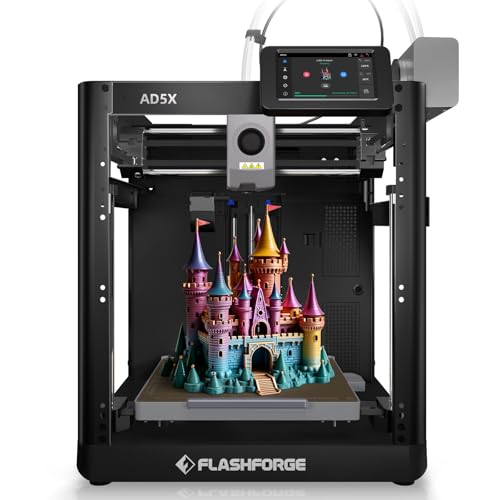
Flashforge
CoreXY
220 x 220 x 220 mm build volume
$349.00$449.00
Verified

Creality
Bedslinger
220 x 220 x 250 mm build volume
$199.00$219.00
Verified

Bambu Lab
Enclosed · AMS ready
256 x 256 x 256 mm build volume
$399.00
Verified

Bambu Lab
AMS lite ready
180 x 180 x 180 mm build volume
$249.00
Verified

Bambu Lab
AMS lite ready
256 x 256 x 256 mm build volume
$299.99
Verified

Creality
$229.00$259.00
Verified

ELEGOO
$251.10$279.00
Verified

Creality
$299.00$351.99
Verified

Anycubic
$299.99$459.99
Verified

Creality
$341.05$359.00
Verified

QIDI
$349.00
Verified
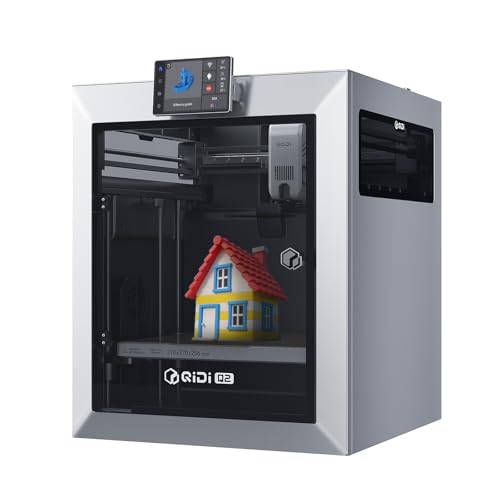
QIDI
$499.00
Verified

Creality
$521.00$645.96
Verified

Bambu Lab
$569.00
Verified

Creality
$699.00
Verified
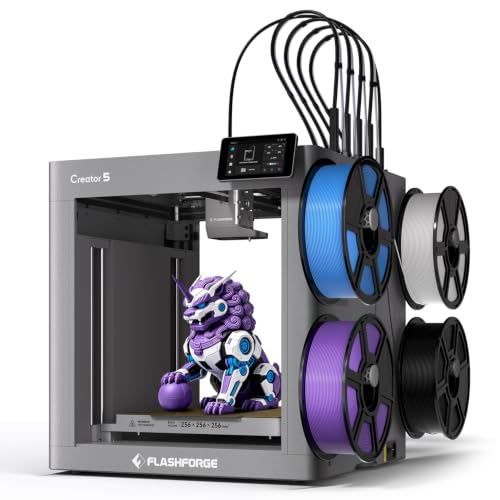
Flashforge
$699.00$849.00
Verified

QIDI
$749.00
Verified
| Printer | Build volume | Enclosed | Multi-material | Price |
|---|---|---|---|---|
| Creality K1C | 220 x 220 x 250 mm | Yes | CFS | $368.99 |
| Flashforge Adventurer 5M Pro | 220 x 220 x 220 mm | Yes | None | $379.00 |
| Creality K1 Max | 300 x 300 x 300 mm | Yes | CFS | $549.00 |
| Anycubic Kobra S1 Combo | 250 x 250 x 250 mm | Yes | ACE Pro | $549.99 |
| QIDI Plus4 | 305 x 305 x 280 mm | Yes | Yes | $699.00 |
| Flashforge Adventurer 5M | 220 x 220 x 220 mm | No | Not verified | $249.00 |
| ELEGOO Centauri Carbon | 256 x 256 x 256 mm | Yes | Yes | $289.99 |
| Flashforge AD5X | 220 x 220 x 220 mm | Not verified | Yes | $349.00 |
| Creality Ender-3 V3 SE | 220 x 220 x 250 mm | Not verified | Not verified | $199.00 |
| Bambu Lab P1S | 256 x 256 x 256 mm | Yes | AMS | $399.00 |
| Bambu Lab A1 mini with LED lamp kit | 180 x 180 x 180 mm | Not verified | AMS lite | $249.00 |
| Bambu Lab A1 | 256 x 256 x 256 mm | Not verified | AMS lite | $299.99 |
| Creality SPARKX i7 | Not verified | Not verified | Not verified | $229.00 |
| ELEGOO Centauri 2 | Not verified | Not verified | Not verified | $251.10 |
| Creality SPARKX i7 Nano Combo | Not verified | Not verified | Not verified | $299.00 |
| Anycubic Kobra X | Not verified | Not verified | Not verified | $299.99 |
| Creality K2 SE 4C | Not verified | Not verified | Not verified | $341.05 |
| QIDI Q2C | Not verified | Not verified | Not verified | $349.00 |
| QIDI Q2 | Not verified | Not verified | Not verified | $499.00 |
| Creality K2 Combo | Not verified | Not verified | Not verified | $521.00 |
| Bambu Lab P2S | Not verified | Not verified | Not verified | $569.00 |
| Creality Ender 5 Max | Not verified | Not verified | Not verified | $699.00 |
| Flashforge Creator 5 | Not verified | Not verified | Not verified | $699.00 |
| QIDI Plus5 | Not verified | Not verified | Not verified | $749.00 |
At this level a closed chamber is standard, but closed chambers differ. A passive enclosure traps the heat that rises from the bed. An actively heated chamber adds a heater and holds a set temperature, which matters for large ABS, ASA and nylon parts that crack as they cool unevenly.
Manufacturer pages show the spread:
For PLA, open the door or lid. A hot chamber can soften PLA before it reaches the nozzle.
Under $500, most CoreXY printers sit around 220mm. Toward $1,000 the frames grow. Creality lists 300 x 300 x 300mm for the K1 Max (opens in a new tab), QIDI lists 325 x 325 x 315mm for the X-Max 3 (opens in a new tab), and Sovol lists 350 x 350 x 345mm for the SV08 (opens in a new tab), which Sovol sells with add-on enclosures rather than a closed frame. A bigger cube means fewer split models and more parts per plate, but it also needs more desk space, a sturdier table and larger replacement build sheets.
Combo editions put a filament changer in the bundle. Bambu ships the P1S AMS Combo (opens in a new tab) with an AMS unit, and Anycubic offers the Kobra S1 Combo (opens in a new tab) with the ACE Pro in four-color or eight-color versions. Other enclosed machines accept a unit later: Creality lists the K1, K1C and K1 Max as compatible with the CFS-C (opens in a new tab), which supports one unit per printer, ELEGOO offers its four-color CANVAS for the Centauri Carbon (opens in a new tab), QIDI lists the Plus4 as compatible with the QIDI Box, and Prusa offers the five-filament MMU3 for the Core One.
Every one of these systems purges filament at each change. The multicolor printer guide explains how much that matters and which spools each unit accepts.
Carbon-fiber and glass-filled filaments wear brass quickly, so this budget is where a hardened nozzle stops being an optional extra. Creality fits a hardened steel 0.4mm nozzle to the K1C (opens in a new tab). QIDI lists both a copper alloy nozzle for common filaments and a hardened steel nozzle for abrasive ones on the X-Max 3 (opens in a new tab), and names PAHT-CF, PET-CF and PA12-CF among its recommended materials. ELEGOO lists a brass-hardened steel nozzle on the Centauri Carbon.
Read the material list, not just the nozzle. Bambu ships the P1S with a stainless steel nozzle and lists carbon and glass fiber reinforced polymers as not recommended (opens in a new tab), so a hardened hot end would be an addition there. Hot end temperature matters too: QIDI lists 370°C for the Plus4 and Anycubic lists 320°C for the Kobra S1 (opens in a new tab), against 300°C on many cheaper machines.
| Model | Enclosure | Build volume (mm) | Max nozzle | Color option | Source |
|---|---|---|---|---|---|
| Bambu Lab P1S | Enclosed | 256 x 256 x 256 | 300°C | AMS | Bambu Lab (opens in a new tab) |
| Creality K1 Max | Enclosed | 300 x 300 x 300 | 300°C | CFS-C | Creality (opens in a new tab) |
| Anycubic Kobra S1 | Enclosed | 250 x 250 x 250 | 320°C | ACE Pro | Anycubic (opens in a new tab) |
| QIDI Plus4 | Enclosed, heated chamber | 305 x 305 x 280 | 370°C | QIDI Box | QIDI (opens in a new tab) |
| Prusa Core One | Enclosed | 250 x 220 x 270 | 290°C | MMU3 | Prusa (opens in a new tab) |
| Sovol SV08 | Add-on enclosure | 350 x 350 x 345 | 300°C | Not stated | Sovol (opens in a new tab) |
| QIDI X-Max 3 | Chamber heating | 325 x 325 x 315 | 350°C | Not stated | QIDI (opens in a new tab) |
The table describes the kind of printer this budget reaches. Whether each one is under $1,000 today depends on its current price, so check the grid.
Bigger and enclosed machines bring running costs that a $300 printer does not. Carbon filters need replacing, hardened and high-flow nozzles cost more than brass, large build sheets are pricier, and a heated chamber draws extra power during long jobs. Engineering filaments also cost more per kg than PLA. If the machine will mostly print PLA anyway, buying PLA in bulk keeps the material bill sensible; pla.deals compares those listings by price per kg, the offer price divided by the total net filament weight across every spool. Owners running several machines for income should also read the print farm guide.
A printer shows up here only while its most recent verified Amazon price, checked in the past 24 hours, is below $1,000. Each price carries its check time and turns into "Check price at Amazon" after a day, which also removes the printer from this list until a new check confirms it. Base and Combo editions are separate entries, so the Combo of a printer can drop out while the base model stays.
Not on its own. PLA prints well on open frames and needs the door open on enclosed ones. An enclosure earns its cost with ABS, ASA, PC and nylon, or when you want to filter fumes and reduce noise.
Only for large parts in warp-prone materials such as ABS, ASA and nylon. A passive enclosure is enough for small and medium parts in those materials.
A Combo costs more up front but arrives matched and ready to calibrate. Adding a unit later works if the maker lists it for your model; Creality's CFS-C, for instance, is limited to one unit per K1 series printer.
Little for PLA. It lets you run carbon-fiber and glass-filled filaments without wearing the nozzle out, which is the main reason to want one.
Product prices and availability are accurate as of the date/time indicated and are subject to change. Any price and availability information displayed on Amazon at the time of purchase will apply to the purchase of this product.