
Anycubic Hardened Nozzle 0.4mm
- Nozzle
- Hardened steel
Listed for Kobra X, Kobra 4
$14.19
Verified
Last reviewed
In-stock accessories approved for PLA printing: dryers, storage, desiccant, nozzles and build plates.
Listed for Kobra X, Kobra 4
$14.19
Verified

Listed for P1S, P1P
$49.99
Verified


Listed for K1 Max
$28.99
Verified

Listed for K1, Ender 3 V3 SE, Ender 3 S1
$24.99
Verified

Listed for K1, K1 Max, K1 SE, Ender 3 V3, Ender 3 V3 Plus, K2 SE
$19.99
Verified

Listed for K1C
$19.99
Verified

Listed for Ender 3 S1 Pro, Ender 3 V3 SE, Ender 3 V3 KE
$19.49
Verified

Listed for Ender 3 V3 Plus, K1 Max
$24.99
Verified
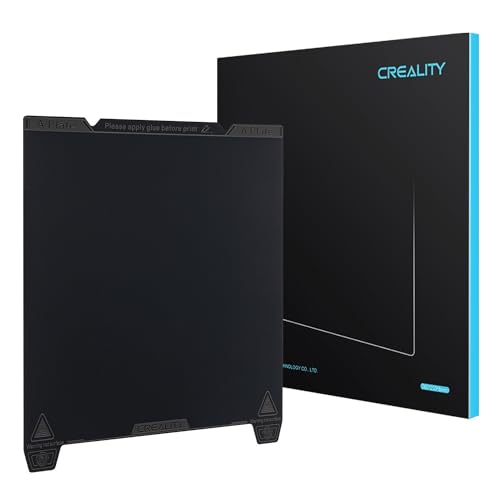
Listed for K1, Ender 3 V3, Ender 3 V3 SE, Ender 3 V3 KE
$14.99
Verified

Listed for K1 Max, Ender 3 V3 Plus
$27.99
Verified

Listed for K2 Plus
$63.99
Verified

Listed for K2, K2 Pro, K2 Plus
$34.39
Verified
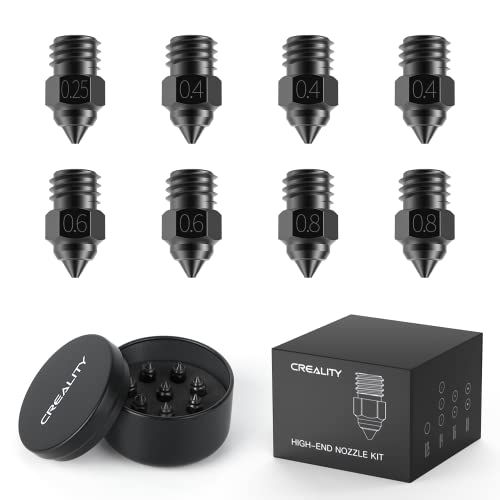
Listed for Ender 3, Ender 3 V2, Ender 3 Pro, Ender 5
$28.99
Verified

Listed for K1 Max
$24.35
Verified

Listed for K1, K1C, K1 SE, Ender 3 V3, Ender 3 V3 KE
$16.49
Verified

Listed for Ender 3 V3 SE, Ender 3 V3 KE, Ender 3 V3
$15.19
Verified

Listed for Centauri, Centauri Carbon
$19.99
Verified
Listed for Centauri, Centauri Carbon
$19.99
Verified


Listed for Neptune 3, Neptune 3 Pro, Neptune 3 Plus, Neptune 3 Max
$9.99
Verified

Listed for Neptune 4 Plus, Neptune 4 Max
$9.99
Verified
PLA is the easiest common filament to print, so the list of accessories it truly needs is short. Three categories do most of the work, and buying them in the right order saves money. Storage keeps a dry spool dry. A dryer rescues a spool that has already picked up moisture. A spare nozzle keeps a worn or clogged printer running, and a hardened one opens the door to abrasive blends. Each has its own page with the buying criteria in detail: filament storage, filament dryers and nozzles.
The order follows cost and frequency. A box and a few desiccant packs cost little and work every day. A dryer costs more and is used occasionally. A nozzle is cheap, but the right one depends entirely on your printer model, so it pays to know exactly what you have before ordering.
Every opened spool starts absorbing water from room air, and PLA that has taken on enough of it pops, strings and prints rough walls. Prusa sets a storage target for PLA of below 30% relative humidity, with short-term tolerance up to 40% (opens in a new tab), and a sealed container with fresh desiccant is the simplest way to stay under it. Storage is preventive. Prusa is explicit that its own box does not dry filament (opens in a new tab), so a container only holds a spool in the condition it went in.
That is why storage beats a dryer as a first purchase. If spools go back into a sealed box after every session, many of them never need drying at all. The routine for doing that well is in our guide on how to store PLA filament. The filament storage page covers the buying side: box size, seals, vacuum bags and which desiccant to choose.
A dryer is worth adding when storage alone cannot keep up. Typical signs: you live somewhere humid, spools hang open on the printer for weeks, you buy in bulk and work through old stock, or you print long jobs and want the active spool warm and dry the whole time. PLA needs only gentle heat. Prusa lists 45°C for 6 hours (opens in a new tab) for its PLA, and warns that going over the drying temperature makes filament soften and stick together. That low figure means almost any dedicated dryer reaches what PLA needs; the questions that separate models are capacity, spool fit and whether you can print straight from the unit.
Settings and step-by-step drying live in how to dry PLA filament. If you are unsure whether moisture is behind a problem, print the same small model from a freshly opened spool at the same settings before buying a dryer; if the fresh spool prints clean, the old one is wet.
A spare nozzle in the stock size is cheap insurance against a clog in the middle of a project. For plain PLA, the nozzle that came with your printer is the right material. Hardened steel matters when you move to abrasive blends. Prusa notes that with abrasive filaments the brass nozzle tends to wear too quickly (opens in a new tab), and printer makers draw the same line in their material lists: Bambu lists carbon and glass fiber reinforced filament as not recommended on the A1 (opens in a new tab), which ships with a stainless steel nozzle, while Creality lists PLA-CF as supported on the K1 (opens in a new tab), which ships with hardened steel.
Nozzles are not universal. Thread, length, heatbreak design and quick-swap mechanisms differ between printer families, so buy by printer model rather than by nozzle size alone. The nozzles page explains how to match one and when 0.6mm beats 0.4mm.
| Your situation | Buy first | Add later | Usually skip |
|---|---|---|---|
| One printer, a few spools, dry climate | Airtight box with indicating desiccant | Spare stock nozzle | Dryer |
| Humid room or basement | Airtight box and a hygrometer | Dryer that holds 45 to 55°C | Hardened nozzle |
| Bulk or multipack buyer | Vacuum bags for sealed stock, box for open spools | Larger dryer | None |
| Long prints on a feeder or AMS | Desiccant for the feeder, spare nozzle | Dryer that feeds while drying | None |
| Planning glow, wood or carbon fiber PLA | Hardened nozzle for your exact printer | Storage as above | None |
The drying range in the table comes from published PLA settings: Prusa's 45°C at the low end and Polymaker's 55°C for 6 hours (opens in a new tab) for Panchroma Matte PLA at the upper end.
Some add-ons are aimed at engineering materials and add little for PLA. A heated enclosure helps ABS and ASA but not PLA, which prints well in open air. A dryer that reaches 90°C or more is built for nylon and polycarbonate; PLA uses a fraction of that range. An all-metal hot end upgrade matters for high-temperature plastics, not for PLA's printing range. Before buying anything in these groups, check whether a material you actually plan to print requires it.
The grid on each accessory page shows in-stock items of that type only, approved by the site operator, and accessories never appear in filament or printer results. Each price carries the time it was last verified against Amazon and switches to "Check price at Amazon" after 24 hours. Price per kg applies to filament only: on PLA filament deals it is the offer price divided by the total net filament weight across every spool in the listing, and spools of 250g or less are labeled samples.
An airtight container with desiccant. It costs little, it works every day, and it reduces how often you need a dryer at all.
Not always. Sealed, freshly opened PLA often prints fine. A dryer becomes useful in humid rooms, for spools left open for weeks, and for long prints where you want the spool kept warm while feeding.
No. Plain PLA is not abrasive, and the stock nozzle is the right choice. Switch when you plan to print carbon fiber, glass fiber, glow or other filled blends.
No. Nozzles are designed for specific hot ends, so check your printer maker's spare parts list or the product listing's stated compatibility before buying.
Product prices and availability are accurate as of the date/time indicated and are subject to change. Any price and availability information displayed on Amazon at the time of purchase will apply to the purchase of this product.